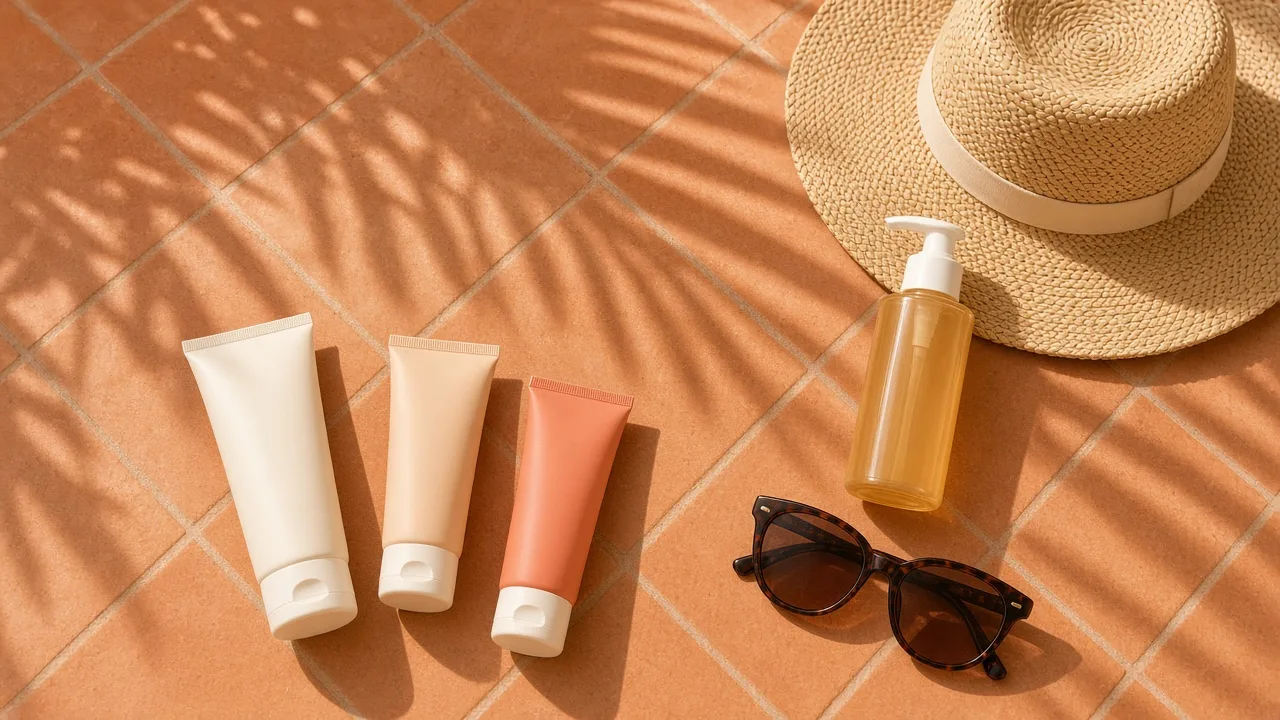
If there is one skincare product worth using every single day, it is sunscreen. Strong sunshine across most of India means our skin is exposed to ultraviolet (UV) rays for much of the year, not just in summer. Sun exposure contributes to tanning, uneven skin tone, dark spots and early signs of ageing. Yet many people skip sunscreen because they find it greasy, confusing or unnecessary for darker skin. Let us simplify it.
Does Indian skin really need sunscreen?
Yes. Melanin offers some natural protection, but it does not make skin immune to sun damage. In fact, many people with brown skin are prone to pigmentation and uneven tone, which the sun can make worse. Daily sunscreen helps protect against these concerns.
Understanding the labels
- SPF (Sun Protection Factor): Mainly indicates protection against UVB rays, which cause sunburn. For everyday use, SPF 30 or higher is widely recommended.
- PA rating: Shows protection against UVA rays, which contribute to tanning and ageing. More plus signs (PA+++ or PA++++) mean higher protection.
- Broad spectrum: Means the product protects against both UVA and UVB.
- Water resistant: Useful for swimming or heavy sweating, but still needs reapplication.
Chemical or mineral?
- Chemical (organic) filters absorb UV rays. They are usually lightweight and blend easily without a white cast.
- Mineral (physical) filters such as zinc oxide and titanium dioxide sit on the skin and reflect UV rays. They are often preferred for sensitive skin but may leave a slight white cast on deeper skin tones.
- Hybrid formulas combine both.
The best sunscreen is the one you will happily wear every day.
Pick the right texture for your skin
- Oily or acne-prone skin: Gel, fluid or matte-finish sunscreens labelled non-comedogenic.
- Dry skin: Cream or lotion formulas with added moisturising ingredients.
- Combination skin: Lightweight lotions or fluids.
- Sensitive skin: Fragrance-free and mineral options; patch test first.
How much to apply
Most people use far too little. A common guide for the face and neck is the two-finger rule: squeeze a line of sunscreen along the length of your index and middle fingers. For the body, you will need much more, roughly a shot glass worth for an adult.
How to apply it properly
- Cleanse and moisturise as usual.
- Apply sunscreen as the last step of your morning skincare, before makeup.
- Dot it evenly over the forehead, cheeks, nose and chin, then spread gently.
- Do not forget the ears, neck, back of the neck and the backs of your hands.
- Wait a few minutes before applying makeup or stepping out.
Reapply through the day
Sunscreen breaks down with time, sweat and rubbing. Reapply every two to three hours if you are outdoors, and after swimming, sweating heavily or wiping your face. If you wear makeup, sunscreen sticks or sprays can make reapplication easier.
Indoors and cloudy days
UVA rays can pass through clouds and windows. If you sit near a sunny window, travel by car or spend time outdoors during the day, sunscreen is still useful. On monsoon days, a lighter formula may feel more comfortable.
Go beyond sunscreen
Sunscreen works best alongside other sun-smart habits.
- Use an umbrella, wide-brimmed hat or dupatta for shade.
- Wear sunglasses to protect the delicate skin around your eyes.
- Avoid peak sun hours, roughly late morning to mid-afternoon, when possible.
- Use a lip balm with SPF.
Common myths
- "Makeup with SPF is enough." You rarely apply enough makeup to get the stated protection.
- "I only need it at the beach." Daily exposure on commutes and errands adds up.
- "Sunscreen causes acne." The right non-comedogenic formula, and proper cleansing at night, usually prevents this.
Make it a habit
Keep sunscreen next to your toothbrush or by the door so you remember it every morning. Once it becomes routine, it takes less than a minute and offers some of the best long-term benefits in skincare.
Note: This article offers general guidance only; if you have sensitive skin, allergies or a skin condition, please consult a dermatologist.