India's retail inflation rose to 5.54% in September 2026, up from 4.83% in August, according to provisional data released by the National Statistics Office on 12 October. The reading is the highest so far under the new CPI series and the highest since October 2024, when inflation stood at 6.21%, as reported by The Economic Times.
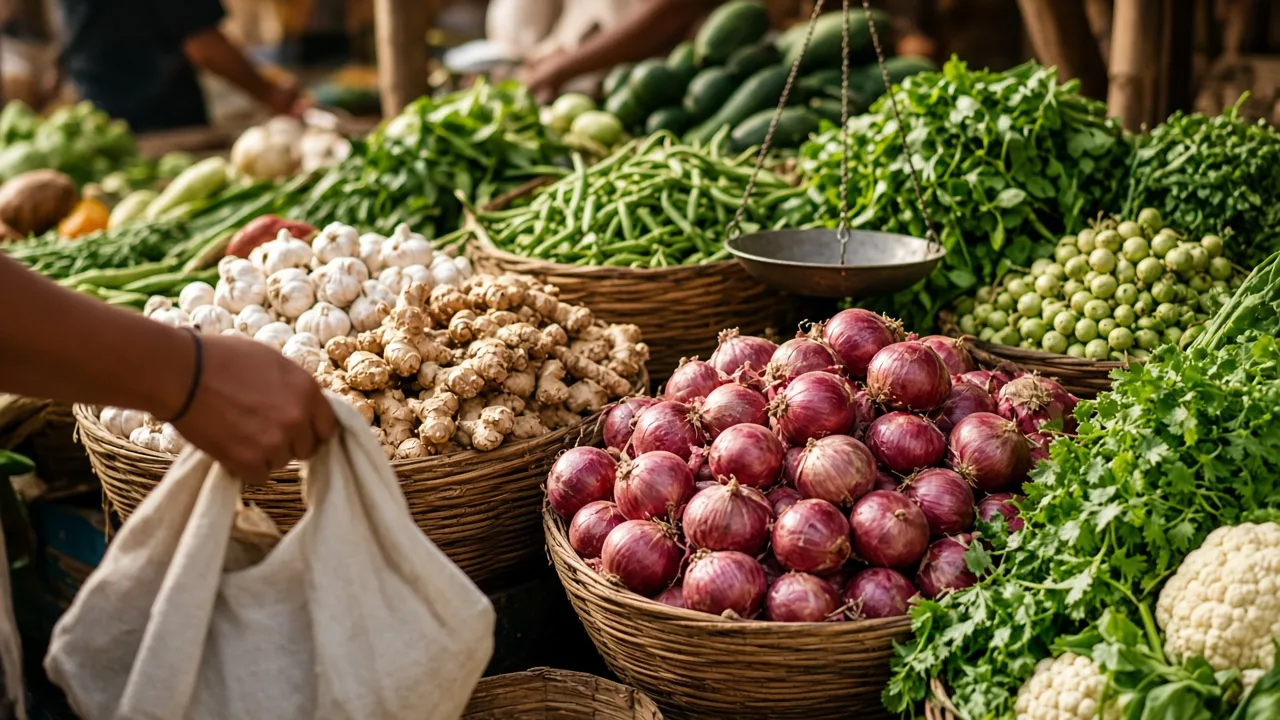
The jump was driven by food. Food inflation climbed to 7.74% from 5.97%, led by a sharp rise in vegetable prices, especially onions. The data arrived just five days after the Reserve Bank of India raised interest rates for the first time in more than three years.
Here is what the numbers show and what they could mean for your money.
The headline numbers
According to the official press release from the Ministry of Statistics and Programme Implementation (MoSPI), which uses the new 2024 base year:
- All-India CPI inflation: 5.54% (August: 4.83%)
- Rural inflation: 6.08% (August: 5.24%)
- Urban inflation: 4.88% (August: 4.31%)
- Food inflation (CFPI): 7.74% (August: 5.97%)
- Rural food inflation: 8.06%; urban food inflation: 7.18%
The figure was slightly above expectations. A Reuters poll of 41 economists had forecast 5.40%, with estimates ranging from 4.90% to 5.90%, the Economic Times reported.
Inflation has now been above the RBI's 4% medium-term target for four months in a row. It first crossed 4% in June, when it rose to 4.38%.
What is driving prices higher
Vegetables, led by onions
Onion inflation surged to 108.09% in September from 48.78% in August, the biggest increase among the high-inflation items in the government release. Garlic inflation rose to 54.62%, ginger stood at 62.85% (down from 73.82%) and lemon rose to 36.41%.
Not everything got costlier. Tomato prices were still 8.62% lower than a year earlier, and potatoes were 11.50% lower, although the pace of decline narrowed.
Services, jewellery and transport of goods
Outside food, inflation in restaurants and accommodation was 9.36%, and transport services for goods recorded 14.73%. Silver jewellery inflation eased but remained very high at 87.80%, down from 106.81% in August. Health inflation stayed low at 1.40%, and housing, water, electricity, gas and other fuels was 2.74%.
Weather, crude and the rupee
The Economic Times links the pressure to a deficient southwest monsoon and El Niño conditions, which have raised worries about crop output. Brent crude has traded above $100 a barrel amid the conflict in West Asia, and the rupee has weakened by around 7% against the US dollar, making imports such as fuel more expensive.
What the RBI has already done
On 7 October, the RBI's Monetary Policy Committee raised the repo rate by 25 basis points to 5.50%, its first hike since February 2023, and changed its stance to "calibrated tightening." We covered the decision and its market impact in our report on the Indian stock market in October 2026.
At the same meeting, the central bank raised its inflation forecast for 2026-27 to 5.2% from 5.0%. By quarter, it now expects:
- July-September 2026: 4.9%
- October-December 2026: 6.0%
- January-March 2027: 5.7%
- April-June 2027: 5.6%
September's 5.54% print suggests prices are rising a little faster than the RBI's quarterly path assumed.
What economists expect
Upasna Bhardwaj, chief economist at Kotak Mahindra Bank, told the Economic Times that the reading was in line with expectations. "We continue to see the inflation trajectory trending higher above 6% through next few months as adverse base effects and food price shocks play out," she said, adding that the RBI's revised estimates "remain realistic."
If inflation does move above 6% in the coming months, it would breach the upper end of the RBI's 2-6% tolerance band. That would increase pressure on the central bank to keep rates high, or raise them again, at its next policy review.
What it means for you
Household budgets: Food is where most families feel inflation first. With onion, garlic and ginger prices surging, and festival season under way, kitchen bills are likely to stay high for a while.
Loans: Higher inflation makes further rate cuts unlikely in the near term. Borrowers with floating-rate home or personal loans linked to the repo rate may see their EMIs rise after the October hike, and should not count on relief soon.
Savings: Fixed deposit rates could edge up as banks respond to higher policy rates. Still, with inflation at 5.54%, savers should check whether their returns beat rising prices. Our explainer on inflation and real returns shows how to work this out, and our guide to fixed deposits vs debt mutual funds compares the main low-risk options.
Markets: Equity markets have been volatile. Indian shares rallied strongly on 15 October as crude oil eased, as we reported in our Sensex and Nifty rally update. Further inflation surprises could test that rebound.
A note on the new CPI series
India changed the CPI base year from 2012 to 2024 earlier this year and updated the basket of goods to reflect current spending patterns. That means comparisons with older inflation readings should be made with some caution, even though the September figure is clearly the highest of 2026 under the revised series.
What to watch next
The next CPI release, for October, is expected around mid-November. Analysts will watch whether vegetable prices cool as new crops arrive, the direction of crude oil and the rupee, and how much festival demand adds to prices. The RBI's next policy meeting will be the next test of whether one rate hike is enough.