A beach holiday, a summer of school pick-ups or a few weeks of outdoor commuting can leave skin noticeably darker in exposed areas. Tanning is the skin's natural way of protecting itself from sun damage. While there is nothing wrong with a tan, many people want their skin tone to look more even. The key is to be gentle, because harsh treatments often make things worse.
Why skin tans
When skin is exposed to UV rays, it produces more melanin, the pigment that gives skin its colour. This extra melanin helps shield deeper layers from damage. A tan usually fades on its own over weeks to months as skin naturally renews itself. Patches of uneven tone, such as darker cheeks, forehead or upper lip, can be more stubborn.
Prevention comes first
No remedy works well if the skin keeps getting exposed to strong sun.
- Apply broad-spectrum sunscreen daily, SPF 30 or higher with a good PA rating.
- Reapply when outdoors for long periods.
- Cover up with an umbrella, hat, sunglasses or a light dupatta.
- Protect your hands and feet, which often tan more than the face.
Gentle exfoliation
Exfoliating helps remove dull surface cells so skin can look brighter. But more is not better.
- Choose mild exfoliants. Gentle chemical exfoliants such as lactic acid or mandelic acid, or a very soft scrub, are usually kinder than rough granules.
- Limit frequency. Once or twice a week is enough for most skin types.
- Avoid scrubbing hard, which can cause irritation and, on brown skin, may even lead to more darkening.
- Always follow with moisturiser and sunscreen.
Keep skin hydrated
Well-moisturised skin looks smoother and more radiant, which can make tone appear more even. Use a moisturiser suited to your skin type every day, and drink enough water.
Ingredients that may help
Some skincare ingredients are commonly used to support a more even tone. Introduce one at a time and patch test first.
- Niacinamide: A gentle, well-tolerated ingredient often used for uneven tone.
- Vitamin C: An antioxidant that may help skin look brighter.
- Azelaic acid: Sometimes used for pigmentation and is generally gentle.
- Alpha arbutin: Often found in serums aimed at dark spots.
Results take time, usually several weeks of consistent use.
Kitchen remedies: what is fine and what to avoid
Many of us grew up with home packs. Some are soothing, but others can irritate.
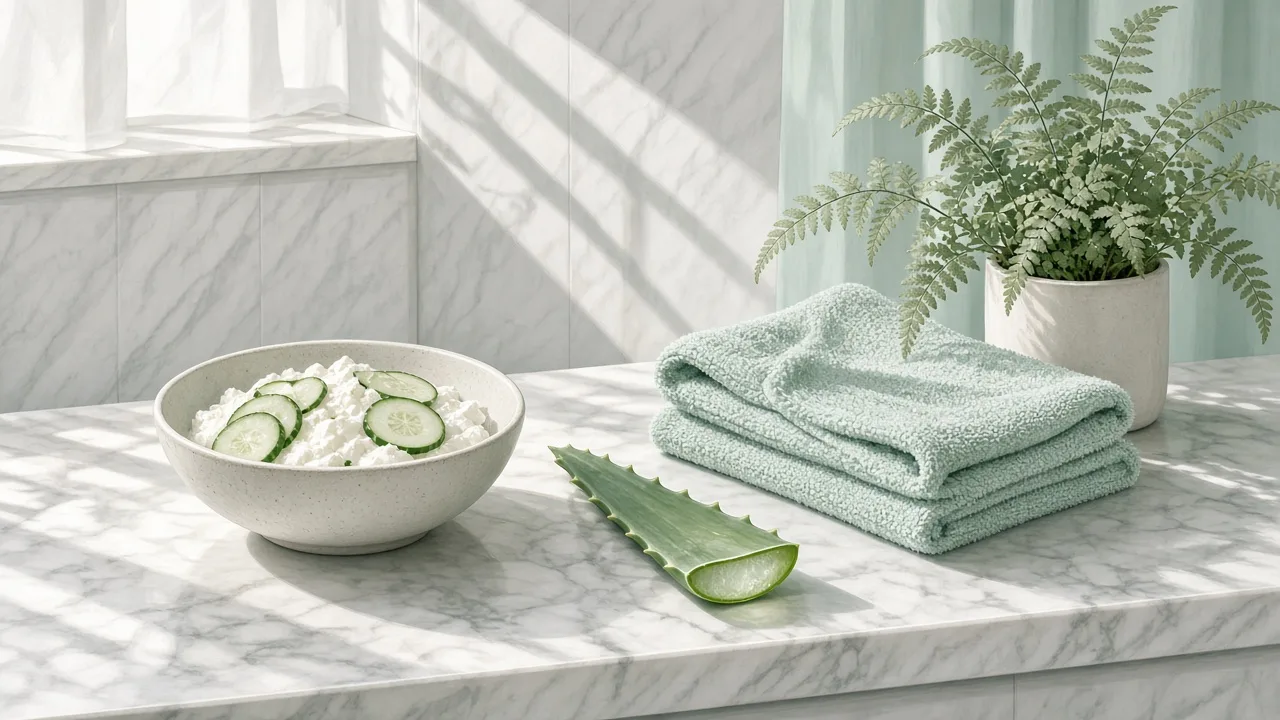
- Generally gentle: Plain curd, aloe vera gel, cucumber slices and besan mixed with curd or rose water can feel soothing and refreshing for many people.
- Best avoided on the face: Lemon juice, raw baking soda, toothpaste and undiluted vinegar can disrupt the skin barrier and cause burns or more pigmentation.
- Turmeric: Can stain and may irritate sensitive skin; use sparingly and patch test.
Be wary of quick fixes
Avoid creams that promise dramatic results within days, especially unlabelled or unknown products. Some may contain strong steroids or other ingredients that can harm the skin with long-term use. Bleaching treatments can also irritate. If you are considering professional procedures such as peels, have them done by a qualified dermatologist.
Treat underarms, elbows and knees gently
These areas often look darker due to friction and dryness. Keep them moisturised, wear breathable cotton, avoid harsh scrubbing and be gentle with hair removal methods.
Be patient and kind to your skin
Even skin tone does not happen overnight. With daily sun protection, gentle care and time, most tans fade naturally. Remember that every skin tone is beautiful; the aim is healthy, comfortable skin rather than chasing a lighter shade.
Note: This article offers general guidance only; if you have persistent pigmentation, patches or irritation, please consult a dermatologist.